Starting on a journey toward optimal health often involves navigating through a sea of dietary advice and lifestyle choices. I have recently interviewed Dr. Anthony Chaffee where he shared his expertise on the benefits of carnivore living and delves into the science behind it. From debunking myths about plant based diets to shedding light on the latest nutritional research, Dr. Chaffee’s expert advice on the carnivore diet provides valuable insights for anyone seeking to optimize their health and well being. Join us in this post as we explore the transformative power of carnivore living and uncover the keys to achieving lasting vitality.
If you are seeking to elevate your carnivore journey to new heights? Or perhaps you’re battling weight loss plateaus and in need of a breakthrough? Look no further! In this exclusive interview with Dr. Anthony Chaffee, a renowned expert in the field of carnivore nutrition, delves deep into his transformative dietary approach.
For those already immersed in the carnivore lifestyle, Dr. Chaffee’s expertise offers invaluable insights to optimize your health and well being. He provides guidance on overcoming common hurdles, igniting motivation, and redefining success on your carnivore path.
So, if you are struggling with weight loss stalls? Dr. Chaffee’s wisdom sheds light on strategies to break through barriers, reigniting your journey towards achieving your desired goals. His evidence based approach empowers you to navigate challenges with confidence, ensuring sustained progress and lasting results.
Even if you are new to the carnivore diet and thinking about trying this approach? Dr. Chaffee’s interview offers comprehensive information to inform your decision making process. From debunking myths to outlining the benefits, his expertise equips you with the knowledge needed to make informed choices about your health and well being.
Whether you’re a seasoned carnivore enthusiast or a curious newcomer, Dr. Chaffee’s insights resonate with unparalleled authority and authenticity. Join us as we unlock the secrets to success with carnivore living and start your own journey towards optimal health and vitality.
You can also watch the interview video about Dr. Chaffee’s expert advice on the carnivore diet as given below. Watch to gain valuable weight loss tips, insights on making informed decisions about dietary choices and guidance on navigating the carnivore diet from expert Dr. Anthony Chaffee. Don’t forget, the interview is also available below for further reading.
Breaking Through Weight Loss Plateaus: Dr. Chaffee’s Expert Advice on the Carnivore Diet
In this comprehensive discussion, Dr. Chaffee addresses common misconceptions surrounding plant based diets and sheds light on the true essence of carnivore living. Drawing upon his extensive experience and scientific expertise, Dr. Chaffee navigates through the complexities of nutritional research, empowering readers to make informed decisions about their dietary choices.
Whether you’re a seasoned carnivore enthusiast or someone curious about exploring the benefits of this lifestyle, this interview offers invaluable insights to help you thrive on your journey to optimal health, and those with weight loss stalls, will be able to breakthrough and overcome challenges.”
Unveiling Dr. Chaffee’s Expert Advice on the Carnivore Diet: Q&A Session
Question 1: How did you get into the carnivore diet?
Dr. Anthony Chaffee: Yeah, well, it all began about 24 years ago during my undergraduate days at the University of Washington in Seattle. I was deeply immersed in studying botany biology and cancer biology, and it was there that I stumbled upon some eye opening revelations. Learning about how plants defend themselves with a myriad of chemical toxins, and how some of these substances could be carcinogenic, was a real wake up call for me.
I was astonished to discover that many household fruits and vegetables, which we often consider healthy staples, contained staggering amounts of known carcinogens. Brussels sprouts alone boasted 136 of these harmful compounds. It was a profound realization that completely challenged my perception of plant based diets. I remember thinking, “But plants are still good for you, right?” Yet, as I delved deeper into the research, I couldn’t ignore the overwhelming evidence.
That’s when it hit me, I don’t eat salad, I don’t eat vegetables. Plants are trying to kill you. It was a bold statement, but it resonated with me on a profound level. I made the decision to cut out plants from my diet entirely, defaulting to a carnivore lifestyle. It wasn’t because someone told me to do it; it just felt like the right choice for my health and well being.
Over the years, I experienced firsthand the incredible benefits of embracing a carnivore diet. I felt better than ever before, both physically and mentally. It was as if I had tapped into a natural state of vitality that I never knew existed. Despite some minor setbacks and temptations to reintroduce plant based foods, I always found my way back to the carnivore way of eating.
Fast forward to today, and I’m more convinced than ever that humans are naturally designed to thrive on a carnivore diet. My journey has been one of self discovery and empowerment, and I am passionate about sharing my insights with others who may be seeking a path to optimal health and performance.
Question 2: What’s your perspective on the numerous studies promoting the health benefits of plant based diets?
Dr. Anthony Chaffee: Well, it’s quite intriguing, isn’t it? The majority of these studies rely heavily on epidemiology, or nutritional epidemiology, which, in my view, is inherently flawed. You see, the medical literature is already riddled with issues, and nutritional epidemiology is arguably one of the weakest links in scientific inquiry. I come from a family with a strong scientific background, my father is a physicist, so I have a keen understanding of what constitutes rigorous scientific research.
These studies often involve small sample sizes, sometimes as few as ten participants, and draw tenuous conclusions from such limited data. They’re often observational, relying on surveys that ask individuals to recall their dietary habits over extended periods—an inherently unreliable method, to say the least. How can we trust someone to accurately remember what they ate over the course of a year?
Moreover, these studies are prone to healthy user bias. People who consume more fruits and vegetables tend to lead healthier lifestyles overall—they smoke less, exercise more, and have higher socioeconomic status. So, is it the fruits and vegetables themselves that are promoting health, or is it the lifestyle associated with consuming them?
Furthermore, the food industry has a vested interest in promoting plant based diets. Companies like Pepsi, Nestle, and Coca Cola pour significant resources into funding studies that support their products, which are often plant based. It’s a lucrative business model that convinces the public that plant based foods are synonymous with health, and watch the profits roll in.
But where’s the rigorous scientific evidence to support these claims? The ketogenic diet, for example, has been extensively studied and shown to have profound health benefits, particularly in reversing conditions like type 2 diabetes and autoimmune diseases. Yet, there’s no product to sell at the end of the day. Pharmaceutical and food companies alike profit from keeping us sick and dependent on their products.
So, next time you come across a study extolling the virtues of a plant based diet, take it with a grain of salt. Question the motives behind the research and consider who stands to benefit from promoting such dietary recommendations.
Question 3: What are some of the ways in which meat is unfairly demonized, and how does this relate to the composition of the standard American diet? Additionally, how do pharmaceutical companies benefit from the promotion of processed plant foods and medication dependency, and what are the economic implications of this?
Dr. Anthony Chaffee: Pharmaceutical companies often attempt to vilify meat through various means, sometimes resorting to fraudulent practices. For instance, they may classify foods containing even a small amount of meat as ‘meat.’ Consider pizza, which sometimes includes meat toppings. According to these studies, consuming pizza equates to consuming meat. This flawed logic extends to other foods like lasagna, sandwiches, and fast food. However, such foods often contain minimal meat compared to other ingredients like refined carbohydrates, sugary sauces, and unhealthy fats. Counting them as meat misrepresents the dietary landscape and undermines the validity of these studies.”
Furthermore, it’s crucial to recognize that the standard American diet (SAD) is already predominantly plant based. However, this plant based diet primarily consists of processed plants, such as refined grains, sugars, and seed oils. By focusing solely on increasing fruit and vegetable intake without addressing the quality of these foods, researchers fail to consider the detrimental effects of processed plant foods on health. This oversight further complicates the interpretation of study findings and contributes to the misunderstanding of dietary recommendations.
Furthermore, pharmaceutical companies align with narratives promoting processed plant foods because they fuel metabolic illnesses, driving demand for medications. The staggering $13 trillion spent annually on treating major non-communicable diseases like cardiovascular issues, respiratory ailments, cancers, mental health conditions, and type two diabetes highlights the economic repercussions of poor dietary habits. Despite this substantial investment, global health continues to deteriorate, resulting in substantial productivity losses, opportunity costs, and premature deaths.
Moreover, pharmaceutical firms perpetuate this cycle by fostering medication dependency from a young age, just like tobacco companies hooking individuals on nicotine and cultivating nicotine addiction. Like statins are over prescribed despite the long term risks associated with statin use and are not necessary for everyone. So, while they profit significantly, this profit comes at the expense of widespread suffering and economic strain. Their influence extends to research funding, conference sponsorship, and medical education, all geared towards maintaining the status quo. However, their vested interests undermine scientific integrity and perpetuate a cycle of illness instead of prioritizing public health.
Question 4: In light of the conventional advice often focusing on reducing saturated fats and promoting medications like Jardiance for heart health, how can individuals who have been advised to cut saturated fat be encouraged to consider diets like carnivore or ketogenic diets?
Dr. Anthony Chaffee: Certainly, the conventional narrative around heart health and dietary recommendations can be misleading. The emphasis on reducing saturated fats while overlooking other crucial factors like sugar intake can be perplexing. For instance, medications like Jardiance are promoted as beneficial for heart patients due to their ability to lower blood sugar levels, yet little attention is given to addressing the root cause of sugar consumption. This highlights a significant gap in dietary guidance, leaving individuals uncertain about the most effective approach to improving their health.
To navigate this confusion, it’s essential to debunk the myths surrounding saturated fats, cholesterol, and meat. Historically, these components were falsely vilified, primarily due to the influence of sugar and processed food industries. Rigorous scientific evidence refutes the notion that cholesterol alone causes heart disease. In fact, the sugar industry funded fraudulent studies to shift the blame away from sugar onto cholesterol, manipulating public perception and influencing dietary guidelines.
Moreover, the rise of cardiovascular disease in the 20th century correlates more closely with increased sugar consumption than with meat or saturated fat intake. Surprisingly, records indicate that Americans consumed less meat during the period when heart disease emerged as a significant health concern. This challenges the notion that meat or saturated fat is inherently harmful to cardiovascular health.
Furthermore, historical autopsy records reveal a stark contrast in heart health between different time periods. Instances of heart attacks and related fatalities were rare before the 20th century, indicating a shift in disease prevalence rather than a longstanding issue with dietary habits. Even medical textbooks from the 1800s lack detailed descriptions of conditions like atherosclerosis, suggesting that these diseases were not as prevalent as they are today.
In essence, the transition towards diets rich in processed sugars and refined carbohydrates has contributed significantly to the rise of cardiovascular disease. Addressing this misinformation and understanding the historical context can empower individuals to make informed choices about their dietary habits. Instead of blindly adhering to outdated guidelines, individuals can explore alternative approaches like carnivore or ketogenic diets, which prioritize whole, nutrient-dense foods and minimize processed carbohydrates. By challenging conventional wisdom and embracing evidence based practices, individuals can take proactive steps towards better heart health and overall well being.
Question 5: Many individuals turn to the carnivore diet for weight loss, but what advice do you offer to those who experience weight loss stalls after following the diet for some time?
Dr. Anthony Chaffee: Absolutely, weight loss stalls on the carnivore diet can be frustrating, but there are several factors to consider. Firstly, individuals may not be fully adhering to the carnivore diet, often consuming other items like sweets or artificial sweeteners, which can hinder weight loss progress. Additionally, dairy products, such as yogurt, milk, or cheese, are common culprits for weight loss stalls due to their calorie density and potential to exceed daily energy requirements.
Moreover, undereating can paradoxically slow down weight loss by lowering metabolic rates. Chronic undereating, as seen in extreme dieting practices like those depicted on “The Biggest Loser,” reality television show about weight loss and healthy living, can severely disrupt metabolic functioning, making sustained weight loss difficult. Bariatric surgeons even caution against overly restrictive calorie intake, as it can hinder weight loss efforts, particularly for women consuming fewer than 1,200 calories or men consuming less than 1,400 calories per day.
So, you aim to support your metabolism rather than suppress it. It’s essential to listen to your body’s cues and eat accordingly. When sticking to a meat-only diet, you naturally regulate your food intake, unlike when consuming other foods like dairy or carbs, which can disrupt your hunger signals. While overeating is still a possibility, focusing solely on meat tends to lead to self-regulation. Ultimately, it’s essential to listen to your body’s hunger signals and provide it with adequate nourishment. While sticking to a primarily meat based diet can naturally regulate food intake, avoiding other foods that disrupt hunger cues is crucial for maintaining progress. By avoiding unnecessary additives or calorie dense options, individuals can optimize their metabolic health and continue making sustainable progress towards their weight loss goals.
Question 6: Do you have a suggested calorie range for starting a carnivore diet, maybe specific to men and women?
Dr. Anthony Chaffee: Calorie needs on a carnivore diet are highly individualized and depend on factors like metabolic rate, weight goals, and overall health status. Generally, you should eat until fatty meat no longer tastes appealing. However, it’s important to note that certain medications, like corticosteroids, can interfere with hunger signals. If you’re solely consuming meat and water and not on such medications, your body’s hunger cues will guide you effectively. Animals in the wild eat intuitively without the need for dietary guidelines or calorie counting, and humans should aim for a similar approach. Throughout history, humans thrived on meat based diets before the advent of agriculture. The shift to agricultural societies coincided with a decline in health, as evidenced by fossil records and studies on indigenous populations. Native American tribes, like the PLS Indians, experienced significant health declines when forced to adopt agrarian diets. Similarly, the Maasai in Africa, who traditionally consumed meat, milk, and blood, were healthier compared to neighboring tribes reliant on grains and plant based foods. Modern interventions, such as the promotion of formula milk by corporations like Nestle in impoverished regions, have had devastating consequences. These corporations exploited vulnerable populations, leading to malnutrition and health issues among infants. It’s crucial to recognize the value of natural, nutrient rich foods like meat and prioritize dietary choices that align with our evolutionary history for optimal health.
Question 7: I breastfed my child for three years, mainly because I found formula too expensive, costing around $40 a week, which adds up to $200 a month. However, stopping breastfeeding was challenging because my child loved it so much, and I didn’t know how to wean him off. Is there a handbook for that? I had plenty of support, which made it easier for us, but it’s tough without support. Doctors often suggest supplementing with formula, but starting breastfeeding can be painful initially, and it takes time to get used to it. After about a month, it becomes more manageable. Now, my child is three years old and weighs 50 pounds.
Dr. Anthony Chaffee: On the topic of formula, I recently spoke to a woman of Inuit descent who has been mostly carnivore due to cultural reasons. Her daughter experienced health issues, including childhood epilepsy, which improved significantly when they stuck to a meat-only diet. However, she mentioned a concerning trend among Inuit children in very Northern Canada. After weaning, many children experience seizures. I inquired about what they transitioned to after breastfeeding, suspecting it could be related to diet. Shockingly, she revealed that the Canadian government requires them to switch to formula after breastfeeding. Consequently, these children are experiencing seizures. Indigenous populations like the Inuit have historically thrived on meat-based diets. However, introducing processed foods and grains has led to health complications due to their lack of exposure and adaptation to these foods. For instance, this woman, who had consumed mostly carnivore diets with spices, saw her autoimmune diseases disappear when she eliminated spices for 30 days. This sensitivity to dietary changes is common among native populations, making them more susceptible to the negative effects of processed foods. It’s alarming to force children onto formulas laden with harmful ingredients, leading to seizures, which can have severe consequences for brain health. This situation highlights the backwardness in our approach to nutrition, influenced by financial, ideological, and religious factors. For instance, the Seventh Day Adventist Church has historically promoted plant-based diets, believing meat consumption leads to sinful behavior. John Harvey Kellogg, a prominent figure in the Adventist Church, advocated for processed foods to suppress sexual urges. This ideology has influenced the processed food industry’s foundation, perpetuating misguided dietary practices with severe consequences.
Q 8: How do historical fundamentalist groups in America, like early settlers seeking religious freedom, influence dietary and lifestyle choices today, and what role do contemporary organizations, such as the Seventh Day Adventist Church, play in shaping nutrition science, medical education, and the food industry?
Dr. Anthony Chaffee: Well, historical fundamentalist groups in America, particularly those seeking religious freedom like the early settlers, have had a significant impact on shaping dietary and lifestyle choices even today. These groups often promoted certain dietary restrictions and beliefs, sometimes influenced by religious teachings. For example, the Seventh Day Adventist Church has played a notable role in advocating for vegetarianism and plant-based diets as part of its doctrines. This influence extends beyond religious circles into nutrition science, medical education, and the food industry.
Contemporary organizations like the Seventh Day Adventist Church have actively promoted specific dietary guidelines and lifestyle choices, often advocating for plant-based diets. They’ve been involved in funding studies, shaping medical education curricula, and even influencing food production through their involvement in the food industry. This influence can be seen in initiatives such as the Blue Zone studies, which suggest longevity benefits from plant-based diets, and the promotion of lifestyle medicine, emphasizing dietary changes and exercise.
Moreover, figures within academia and medicine, like Dr. Walter Willett of Harvard and Dr. Gardner of Stanford, have been associated with vegan activism and have influenced dietary recommendations through their research and teachings. The Seventh Day Adventist Church’s involvement in these areas raises questions about potential conflicts of interest and biases in nutrition science and medical education. Additionally, their significant presence in the food industry, with ventures like cereal production, underscores their influence on dietary norms and food consumption patterns.
Question 9: Have you ever faced accusations of being financially supported by the meat industry or some entity referred to as “big meat”?
Dr. Anthony Chaffee: Yeah, I’ve encountered that accusation a few times. People sometimes suggest that I’m just a mouthpiece for the so-called “big meat” industry. But the thing is, I’ve always found that notion a bit amusing because who exactly is “big meat”? We have big pharma, big food, big tech, but big meat? It’s not even a thing. I mean, sure, there are companies like Swift or maybe Field, but are they really on the same scale as these other giants? I doubt it.
And even if there were such a thing as “big meat,” what would they be lobbying for? People are going to keep buying meat regardless. It’s a staple in many diets around the world. Unlike other industries that have to push their products, meat doesn’t need much promotion.
In fact, when Dr. Baker tried to collaborate with cattle associations to fund studies on the benefits of meat consumption, he hit a dead end. They weren’t interested in sponsoring research to prove what many already know: that meat can be a crucial part of a healthy diet.
So, no, there’s no grand conspiracy funded by “big meat” to promote carnivore diets. It’s more grassroots than that. We share information and experiences because we believe in the benefits we’ve seen firsthand, not because some industry giant is pulling the strings. And honestly, when you look at the history of human diets, it’s pretty clear that meat has always been a significant part of it. We don’t need fancy studies to tell us what our ancestors already knew.
Question 10: Sure, let’s wrap up with some motivational words. What if there are individuals who have been following the carnivore diet for a while but are feeling worn out or bored? Perhaps they’re even tired of eating meat. Where does this sentiment come from, and why should we encourage them to persist with the carnivore lifestyle?
Dr. Anthony Chaffee: Well, sometimes people express fatigue or boredom with the carnivore diet. They might say, “I miss eating this” or “I’m tired of meat.” But here’s the thing: just because something provides short-term pleasure doesn’t mean it’s good for you in the long run. Think about it this way: we don’t indulge in alcohol, cigarettes, or methamphetamine just because they offer a momentary high. We understand the long-term harm they cause. Similarly, certain foods, like carbs or sugary treats, might give you a temporary energy boost, but they come with consequences. You’ll likely experience a crash later, impacting your health negatively.
For instance, I occasionally drink alcohol, maybe once every two years, but I don’t feel great for about three weeks afterward. I lose energy, my workouts suffer, and overall, I just don’t feel my best. That temporary enjoyment isn’t worth the long-term consequences. So, when someone says they’re tired of meat or craving something else, it’s important to recognize that those cravings are not always indicative of what’s best for us.
Food shouldn’t be treated as a drug. We eat for nutrition, not just entertainment. And when you shift your mindset to view food as fuel for your body, you start making healthier choices. You start noticing improvements in your health, like better blood markers, increased energy, and weight loss. These benefits far outweigh any momentary pleasure from indulging in less nutritious foods.
Sure, the carnivore diet may seem restrictive or challenging at times, but consider the alternative: dealing with chronic diseases like diabetes, Alzheimer’s, or mental health issues. Those challenges are far more difficult to overcome than any craving for non-carnivore foods.
Ultimately, it’s about changing our perceptions and understanding that prioritizing our health is worth it in the long run. And hey, who says eating steak every day is a bad thing? It’s all about perspective and realizing the incredible impact our dietary choices can have on our lives.
Question 11: I appreciate your insight about finding more fulfillment in life beyond just food. Dr. Anthony Chaffee, could you please share with everyone where they can access your content?
Dr. Anthony Chaffee: Sure, I appreciate that. So, my primary platforms where you can find my work are my YouTube channel and my podcast. On YouTube, you can find me under my name, Anthony Chaffee MD, where I’ve uploaded various videos and playlists, including a series on getting started on the Carnivore diet. My Instagram handle is also “anthonychaffeemd”. As for my podcast, it’s called “The Plant-Free MD,” available on platforms like Apple Podcasts and Spotify, as well as others. You can also find links to my other social media accounts through my YouTube and Instagram profiles.
Are you considering transitioning to a carnivore diet, or perhaps you’re already on this journey? Did you find Dr. Chaffee’s expert advice on the carnivore diet effective? I would love to hear about your experiences and any questions you may have.
You can read about my 30 day carnivore keto diet experiment results here. And watch this video to learn about my proven strategies on how I put my Hashimoto’s into remission with carnivore diet.
Ready to Take the Carnivore Challenge?
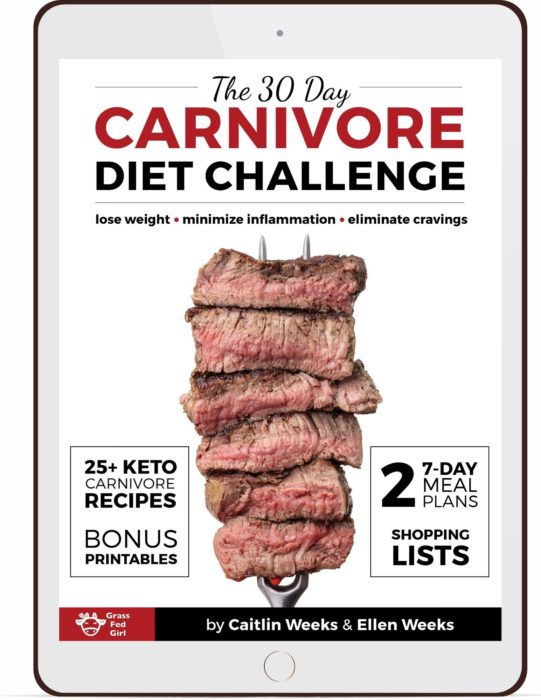
Dive deeper into the world of carnivore living with my 30-Day Carnivore Diet Challenge eBook!
- Packed with expert advice and practical tips to optimize your health, this guide is your roadmap to success on the carnivore diet.
- Whether you’re looking to break through weight loss plateaus, improve your overall health, or simply curious about the carnivore lifestyle, this eBook has everything you need to thrive.

Get started today and unlock the transformative power of the carnivore diet!


